Introduction to Small Claims Court for Unpaid Invoices
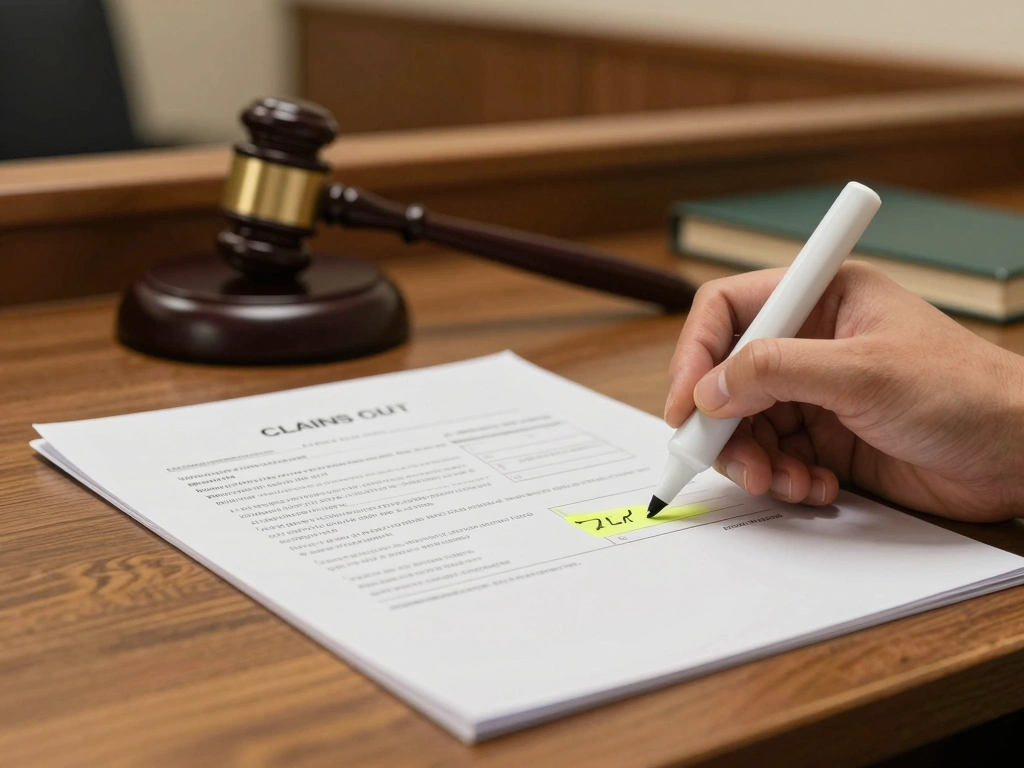
Definition and Purpose of Small Claims Court
Small claims court is a specialized legal forum designed to resolve disputes involving relatively small amounts of money efficiently and without the need for formal legal representation. The primary purpose of small claims court is to provide individuals and businesses a streamlined process to settle claims quickly, minimizing the burden of lengthy and costly litigation. In the context of unpaid invoices, small claims court serves as a vital mechanism for creditors to recover owed funds in a straightforward manner.
Types of Cases Handled in Small Claims Court
Small claims courts handle a variety of cases, with unpaid invoices being one of the most common. Other typical cases include:
- Landlord-tenant disputes
- Property damage claims
- Consumer complaints regarding defective products
- Contract disputes
- Personal injury claims where damages are minor
In the realm of unpaid invoices, the court can address issues such as unpaid bills for services rendered, outstanding invoices for goods delivered, and disputes over contract fulfillment.
Benefits of Using Small Claims Court for Unpaid Invoices
Utilizing small claims court for unpaid invoices offers several benefits:
- Cost-Effective: Filing fees are typically low compared to traditional court proceedings, making it accessible for small business owners and individuals.
- Simplified Process: The procedures are designed to be user-friendly, allowing claimants to navigate the system without the need for an attorney.
- Quick Resolution: Cases are usually resolved faster than in higher courts, often within a few months, allowing creditors to recover their money sooner.
- Enforcement of Judgments: If a judgment is awarded, it can be enforced through various means, providing a clear path to recovery.
Eligibility Criteria for Filing in Small Claims Court
Monetary Limits for Small Claims Cases
Each jurisdiction sets specific monetary limits for claims filed in small claims court. Generally, these limits range from $2,500 to $25,000, depending on the state or country. For instance, in California, the limit is $10,000 for individuals and $5,000 for businesses. In contrast, Florida allows claims up to $8,000. It is crucial for claimants to verify their local limits before filing, as exceeding these amounts may result in dismissal of the case.
Who Can File a Claim?
Individuals, sole proprietors, partnerships, and corporations can file claims in small claims court. However, the claimant must be the party directly affected by the unpaid invoice. For example, if a freelance graphic designer has provided services to a business but has not received payment, they can file a claim against that business. Conversely, if a third party is making the claim on behalf of the designer, such as a collection agency, they may not be eligible to file unless they have specific legal authority to do so.
Common Exemptions and Restrictions
There are certain exemptions and restrictions that may apply when filing in small claims court. These may include:
- Limit on Claims: If a claimant has already filed multiple claims against the same defendant within a specific time frame, the court may limit the number of claims allowed.
- Type of Debts: Certain debts, such as those arising from family law matters or specific consumer credit issues, may not be eligible for small claims court.
- Geographical Restrictions: Claims must typically be filed in the jurisdiction where the defendant resides or where the contract was executed.
The Process of Filing a Claim for Unpaid Invoices
Gathering Necessary Documentation
The first step in filing a claim for unpaid invoices is to gather all necessary documentation to support the case. This may include:
- Invoices: Copies of the unpaid invoices sent to the client, including dates and amounts.
- Contracts: Any written agreements that outline the terms of service or payment.
- Correspondence: Emails or letters exchanged with the client regarding the payment due.
- Proof of Service: Evidence that the services or goods were delivered as promised.
Having a well-organized set of documents is crucial to establishing a compelling case in front of the court.
Filing the Claim: Steps and Fees
Once the documentation is ready, the claimant can proceed with filing the claim. The steps generally include:
- Visit the Court: Go to the local small claims court, or visit their website to access the necessary forms.
- Complete the Claim Form: Fill out the claim form, including details about the dispute, the amount owed, and the defendant’s information.
- Pay Filing Fees: Submit the claim form along with the required filing fee. Fees can vary widely, typically ranging from $30 to $300, depending on the jurisdiction and claim amount.
- File the Claim: Submit the completed form at the court clerk’s office, either in person or online where applicable.
After filing, the court will assign a hearing date, and the claimant will receive a notice outlining the details.
Serving the Defendant: Requirements and Methods
Once the claim is filed, the next step is to serve the defendant with a copy of the claim. This is a crucial part of the process, as the defendant must be formally notified of the lawsuit. Common methods of service include:
- Personal Service: Delivering the documents directly to the defendant.
- Mail Service: Sending the documents via certified mail, ensuring there is a return receipt.
- Service by Publication: In cases where the defendant cannot be located, some jurisdictions allow for public notice in local newspapers.
It is essential to follow the specific service rules in the jurisdiction where the claim is filed, as improper service can lead to delays or dismissal of the case.
Preparing for the Small Claims Court Hearing
Creating a Compelling Case: Evidence and Testimony
Preparation is vital for a successful outcome in small claims court. Claimants should take the following steps to create a compelling case:
- Organize Evidence: Arrange all documentation in a logical order, including invoices, contracts, and communication records.
- Prepare Witnesses: If applicable, bring witnesses who can testify to the services rendered or the agreements made.
- Practice Your Presentation: Rehearse a clear, concise presentation of the facts, focusing on the timeline of events and the evidence that supports the claim.
Being well-prepared can significantly influence the judge's decision in favor of the claimant.
Understanding Court Etiquette and Procedures
Understanding the court's etiquette and procedures is essential for ensuring a smooth hearing. Important points include:
- Dress Appropriately: Wear professional attire to convey respect for the court.
- Arrive Early: Arrive well before the scheduled hearing time to check in and settle nerves.
- Speak Clearly: Address the judge respectfully and speak clearly when presenting your case.
- Listen Attentively: Pay attention to the judge's questions and the defendant's responses, as this may guide your follow-up questions or arguments.
Common Mistakes to Avoid During the Hearing
To maximize the chances of a favorable outcome, claimants should avoid common pitfalls such as:
- Being Unprepared: Failing to bring necessary documents or witnesses can weaken a case.
- Interrupting the Judge or Defendant: Maintain decorum and allow the judge to guide the proceedings.
- Overly Emotional Responses: Stay calm and composed, focusing on facts rather than emotions.
After the Judgment: Collecting on Unpaid Invoices
Understanding the Judgment Process
If the court rules in favor of the claimant, they will issue a judgment outlining the amount owed by the defendant. This judgment serves as a legal affirmation of the debt, allowing the claimant to pursue collection efforts. However, it is crucial to note that obtaining a judgment does not guarantee payment; the claimant must still take steps to enforce the judgment.
Options for Collecting the Debt
Once a judgment is obtained, claimants have several options for collecting the debt:
- Payment Plans: Negotiate a payment plan with the defendant if they are unable to pay the full amount at once.
- Wage Garnishment: In many jurisdictions, claimants can seek to garnish the defendant's wages, which involves deducting a portion of their earnings until the debt is paid.
- Bank Levy: Claimants may also be able to place a levy on the defendant's bank account, freezing their funds until the judgment is satisfied.
- Property Liens: Filing a lien against the defendant's property can ensure that the debt is paid before they can sell or refinance their property.
What to Do if the Judgment is Not Paid
If the defendant fails to comply with the judgment, claimants can take further legal steps, including:
- Contempt of Court: If the defendant deliberately ignores the judgment, claimants may file for contempt of court, which could result in additional penalties for the defendant.
- Re-filing for Collection Actions: Claimants may need to return to court to explore other collection methods or to renew the judgment if it expires.
- Consulting an Attorney: If collection efforts fail, consulting with a collection attorney may provide additional strategies, although this could incur further costs.
Understanding these options can empower claimants to take proactive steps toward recovering unpaid invoices, ensuring that their hard work and services are compensated.